Skin Surgeons Edinburgh 0131 376 2744
SKIN SURGEONS Make an Enquiry
Patient guide · Squamous cell carcinoma

Squamous Cell Carcinoma Guide.

Overview

Squamous cell carcinoma (SCC) is the second most common type of skin cancer in the UK, accounting for 23% of non-melanoma skin cancers (NMSC). SCC typically develops in areas exposed to sunlight, such as the face, scalp, ears, and hands. Although often treatable when detected early, SCC can grow aggressively and spread to other parts of the body in advanced cases. This guide provides an overview of SCC, including symptoms, causes, treatments, and prevention strategies.

Squamous Cell Carcinoma — clinical reference image.

What Is Squamous Cell Carcinoma?

Squamous cell carcinoma is a cancer that develops from the keratinocytes, the cells in the outer layer of the skin (epidermis). It begins when the DNA of these cells is damaged, often by ultraviolet (UV) radiation, leading to abnormal growth.

Key Facts About SCC:
- SCC is a type of non-melanoma skin cancer.
- It often appears on sun-exposed areas, though it can occur anywhere on the body.
- SCC accounts for 20% of all cancers and is particularly common in individuals over the age of 50.

While most SCCs are localised, advanced cases can spread to lymph nodes and other parts of the body, requiring more intensive treatment.

Read more on Squamous Cell Carcinoma at the British Association of Dermatologists

Signs of Squamous Cell Carcinoma

SCC can present in various forms, making it important to recognize potential warning signs.

Common Signs:
- Scaly or Crusty Patch: A raised, rough lesion that may bleed or ulcerate.
- Non-Healing Ulcer: A sore that does not heal, often located in areas prone to sun exposure.
- Thickened Skin or Growth: A wart-like or horn-shaped projection.
- Tender or Painful Area: Discomfort in the affected region, though not all SCCs cause pain.

If you notice persistent changes in your skin, consult a dermatologist for evaluation.

Squamous Cell Carcinoma — clinical reference image.

Causes and Risk Factors for SCC

SCC is primarily caused by cumulative exposure to UV radiation, but other factors can contribute to its development.

Risk Factors for SCC:
- Sun Exposure: Prolonged or intense exposure, particularly in fair-skinned individuals.
- Chronic Skin Damage: Burns, scars, or long-standing wounds.
- Immune Suppression: Conditions like HIV, or medications such as methotrexate or ciclosporin.
- Age and Gender: More common in older adults and slightly more prevalent in men.
- Skin Conditions: Disorders like xeroderma pigmentosum increase susceptibility.

Why Treat Squamous Cell Carcinoma?

Early treatment is essential for preventing complications associated with SCC:
- Local Tissue Destruction: Untreated SCC can grow deeper into the skin, affecting underlying tissues.
- Metastasis: In advanced cases, SCC can spread to lymph nodes and other organs.
- Recurrence Risk: Addressing SCC early reduces the likelihood of recurrence.

Squamous Cell Carcinoma — clinical reference image.

Types of Squamous Cell Carcinoma

SCC varies in presentation, with several subtypes that determine its behavior and treatment approach:

1. Cutaneous SCC: The most common form, often linked to sun exposure.

2. Bowen’s Disease: A superficial SCC that appears as a red, scaly patch.

3. Keratoacanthoma: A rapidly growing but usually non-aggressive form of SCC.

What to Expect During SCC Treatment

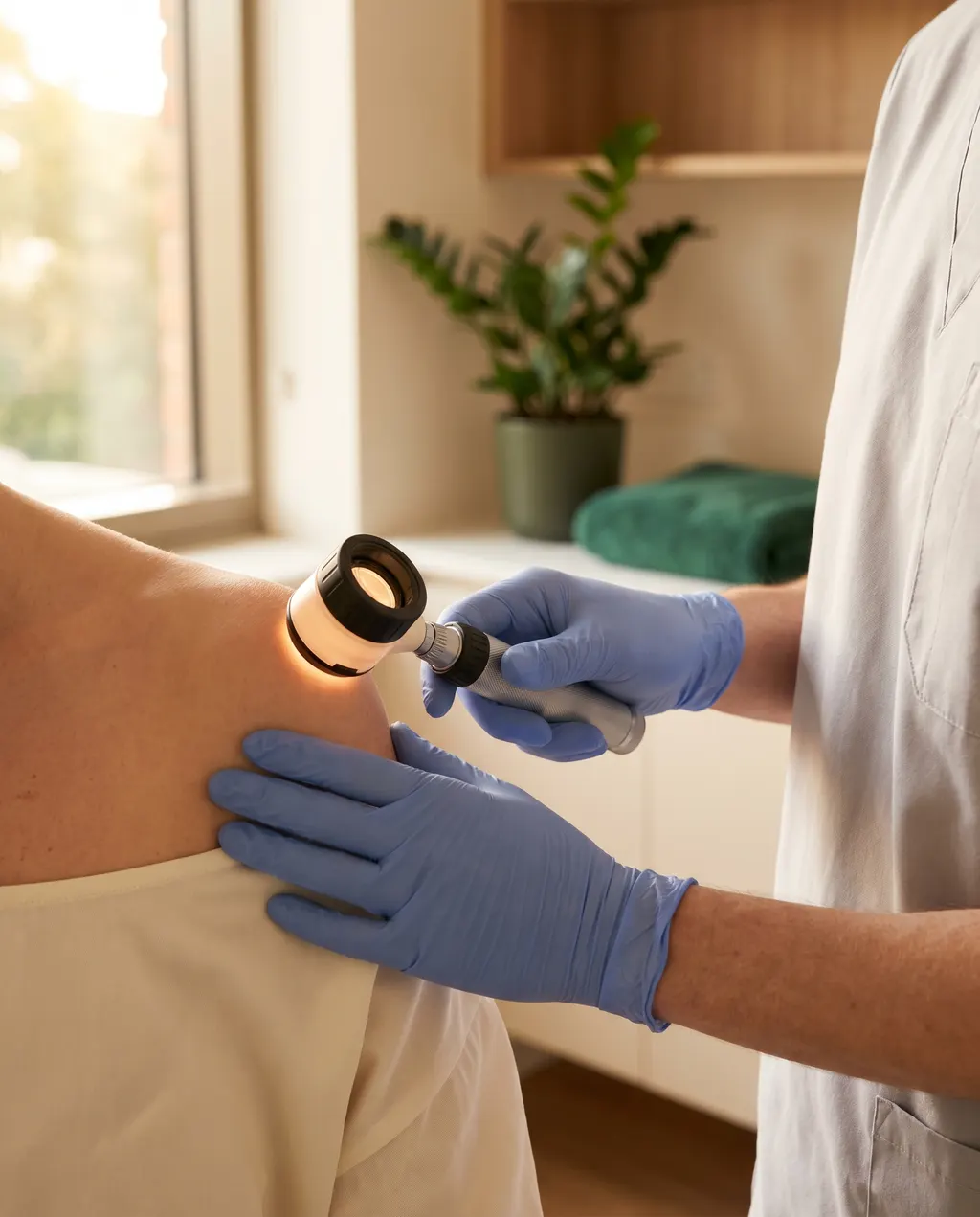
1. Consultation: A skin cancer specialist examines the lesion and may perform a biopsy to confirm the diagnosis.

2. Treatment Plan: Depending on the stage of SCC, a tailored approach will be recommended.

3. Procedure: Surgery or another method is used to remove the lesion.

4. Follow-Up: Monitoring ensures complete recovery and checks for recurrence.

Read more on What to Expect.

Squamous Cell Carcinoma — clinical reference image.

Aftercare Tips for SCC Treatment

Proper aftercare promotes healing and reduces the risk of recurrence:
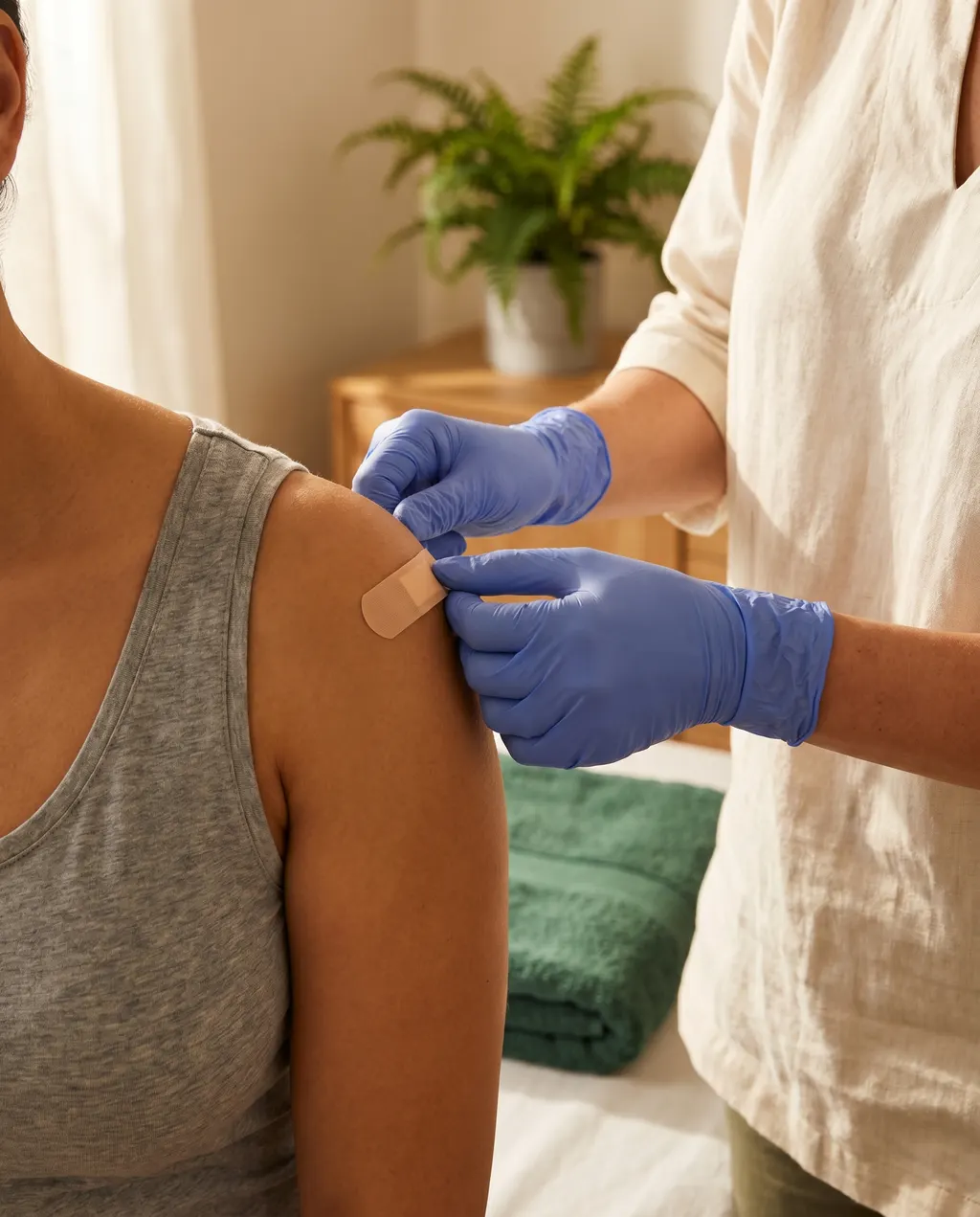
- Keep the Area Clean: Gently wash with soap and water when your dressings are removed and pad dry.
- Protect Your Skin: Use sunscreen daily and wear protective clothing.
- Monitor the Area: Watch for signs of infection or recurrence.
- Follow Specialist Advice: Attend all follow-up appointments as recommended.

Preventing Squamous Cell Carcinoma

You can reduce your risk of developing BCC by:
- Wearing broad-spectrum sunscreen daily (SPF 30 or higher).
- Avoiding peak sun hours (10 a.m. to 4 p.m.).
- Wearing protective clothing, hats, and sunglasses.
- Avoiding tanning beds.
- Performing regular self-checks for skin changes.

Squamous Cell Carcinoma — clinical reference image.

How Much Does SCC Treatment Cost in Edinburgh?

The cost of SCC treatment varies depending on the method and complexity:
- Consultation Fee: £200.
- Treatment Costs: Start from £950 for removal of small SCC’s.

Treatment options

Squamous Cell Carcinoma Treatment Options

Surgical Excision

Benefits. High success rate with minimal recurrence risk.

Ideal for. Most SCC cases.

Curettage and Electrodessication

Benefits. Quick and cost-effective.

Ideal for. Superficial SCCs.

Radiation Therapy

Benefits. Non-invasive option for advanced cases.

Ideal for. Patients unable to undergo surgery.

Systemic Treatments

Benefits. Treats SCC throughout the body.

Ideal for. Advanced or metastatic SCC.

When to Consult a Specialist

You should see a specialist if you notice:
- A persistent sore that doesn’t heal.
- Changes in the size, shape, or color of a lesion.
- A history of prolonged sun exposure or previous skin cancer.

Why Choose a Plastic Surgeon for SCC Removal?

Plastic surgeons are uniquely equipped to ensure the best cosmetic and cancer safe outcome. With their advanced training in skin surgery and aesthetics, they can minimize scarring and deliver a more natural-looking result.

Frequently asked

Frequently Asked Questions : Skin Cancer Removal

Q&A

01 What Is Skin Cancer Surgery?

Skin cancer surgery is a medical procedure aimed at removing cancerous lesions, including Basal Cell Carcinoma (BCC), Squamous Cell Carcinoma (SCC), and melanoma. The surgery may involve various techniques to ensure complete removal while preserving as much healthy tissue as possible.

02 What Are the Types of Skin Cancer Treatment Techniques?

There are several techniques used for treating skin cancers, both surgical and non-surgical: #### Non-Surgical Option: **Topical Medications:** We utilise prescription creams and gels designed to target and destroy cancer cells. These treatments are particularly effective for superficial cancers, offering a non-invasive solution with minimal side effects. #### Surgical Options: **Excisional Surgery:** This method involves surgically removing the cancerous tissue along with a margin of healthy skin. It is highly effective in treating various types of skin cancers. **Electrosurgery:** This approach combines the physical removal of cancerous cells through scraping (curettage) with the application of electrical currents to destroy any remaining cells (electrodesiccation). It is particularly suitable for small, superficial cancers, providing a balance between treatment effectiveness and cosmetic outcomes.

03 What Are the Potential Risks of Skin Cancer Treatment?

While the risks are generally minimal, skin cancer treatments can sometimes lead to scarring, infection, or an allergic reaction to anaesthesia. Our medical team takes comprehensive precautions to minimise these risks.

04 Will There Be Scarring Post-Treatment?

Scarring depends on the size and location of the cancerous lesion and the treatment method used. Our surgeons aim to achieve the best possible cosmetic outcomes, particularly in cosmetically sensitive areas.

05 How Long Does the Skin Cancer Treatment Procedure Take?

The duration of the procedure varies but typically lasts between 30 minutes to a few hours, depending on the complexity and type of treatment performed.

06 Is Skin Cancer Treatment Painful?

Local anaesthesia is applied to the area around the cancer to prevent pain during surgical procedures. Patients may experience minor discomfort or a sensation of pressure during and after the treatment.

07 Can I Resume Normal Activities After the Procedure?

Most patients can return to their daily activities shortly after the procedure. However, recovery time may vary, especially for larger or more complex surgeries.

08 When Should I Consider Skin Cancer Treatment?

You should consider skin cancer treatment if you have been diagnosed with BCC, SCC, or melanoma, or if you have suspicious lesions that are changing in size, shape, or colour, or that cause bleeding, itching, or pain.

09 How Is the Skin Cancer Analysed After Removal?

The removed tissue is typically sent for histological analysis to confirm the diagnosis and ensure all cancerous cells have been removed. This helps determine if further treatment is necessary.

10 How Do I Choose Between Different Treatment Options?

The choice between different treatment options depends on the type, size, and location of the skin cancer, as well as your personal medical history and cosmetic concerns. Our surgeons will discuss the best option for you during your consultation.

11 What Should I Expect in Terms of Aftercare and Healing?

Post-treatment care involves keeping the treatment site clean, applying prescribed ointments, and following any specific instructions given by your surgeon. Healing time varies by individual but usually takes a few weeks.

12 Can Skin Cancer Recur After Treatment?

While the goal of treatment is to remove all cancerous cells, there is a small chance of recurrence. Regular follow-up appointments are recommended to monitor for any signs of recurrence.

13 Is Follow-Up Care Required After Skin Cancer Treatment?

Yes, follow-up appointments are essential to ensure proper healing, discuss the results from histological analyses, and monitor for any signs of recurrence.
Why us

Highlights

Quick Access to Expert Care

Consultations at the Waterfront Private Hospital with no long waits.

Single-Visit SCC Removal

Same-day SCC assessment and removal in a comfortable, single 45-minute appointment.

Advanced Surgical Techniques

Experienced plastic surgeon, dedicated to achieving safe outcomes.

Clear and Inclusive Pricing

Includes aftercare. Make an enquiry to receive a tailored treatment plan and price.

Exterior of the Skin Surgeons Edinburgh hospital building
Get in touch

Contact us today to
book your appointment.

However you would like to get in touch — phone, email, or our enquiry form — one of our team will respond within two working days.

Address
1 Waterfront Park
Edinburgh EH5 1SD
Hours
Mon–Fri · 08:00–18:00
Sat · 09:00–13:00
Reception
Step-free entry
Patient parking on site
Skin Surgeons · Edinburgh Open in Google Maps