Get in touch
Contact us today to
book your appointment.
However you would like to get in touch — phone, email, or our enquiry form — one of our team will respond within two working days.
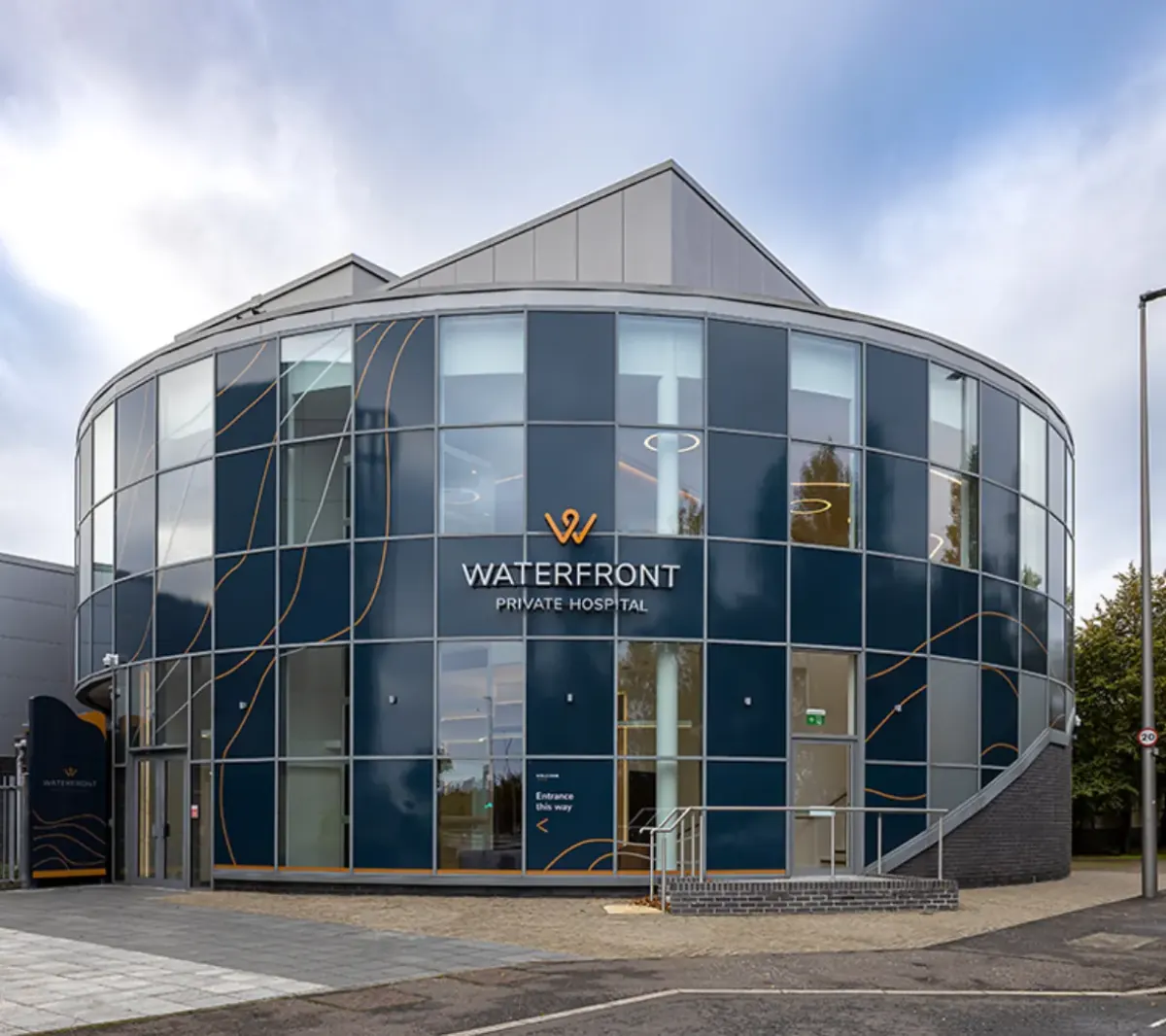
Our service is located at: - **Waterfront Private Hospital, Edinburgh**: A state-of-the-art private hospital with a 5-star-rating on Trustpilot. Find us here.
You can book a consultation by using our **Make An Enquiry or Contact ** form available on our website or by emailing us directly at hello @skinsurgeons.co.uk or call us on 0131 376 2744 . We aim to respond to all enquiries promptly to schedule your appointment at a convenient time.
During your initial consultation, a thorough examination will be conducted to assess your skin lesion. We will discuss your medical history, current concerns, and potential treatment options. This consultation is also an opportunity for you to ask any questions you may have. The cost of any treatment proposed will be detailed prior to committing.
Yes, if your condition is suitable for a minor procedure that can be done in a treatment room, it will be performed during the initial consultation. If the procedure is more extensive and requires a formal operating theatre, it will be arranged for a time that suits you.
Skin surgery involves the removal or treatment of skin lesions such as moles, cysts, and other abnormalities for medical or cosmetic reasons. It’s performed by qualified plastic surgeons using advanced techniques to ensure minimal scarring
You may need skin surgery for: - **Medical reasons:** To remove suspicious or potentially harmful lesions. - **Cosmetic reasons:** To improve the appearance of visible skin issues. - **Functional reasons:** To address lesions causing discomfort or interfering with daily life.
You should see a plastic surgeon if: - You notice changes in a mole, cyst, or lesion (e.g., size, shape, or colour). - You want to remove a lesion for cosmetic purposes. - You’ve been referred by your GP for specialist care.
We offer: - A plastic surgery consultant-led service with extensive expertise. GMC specialist register. - State-of-the-art facilities at the Waterfront Private Hospital. - A focus on cosmetic excellence, safety and patient care.
We offer a range of treatments including skin cancer, moles, cysts/lipomas, and skin tags. The choice of treatment depends on the type, size, and location of the skin lesion, as well as patient preferences and overall health. More information on treatments can me found below: - Skin Cancer - Mole Removal - Cyst Removal - Lipoma Removal - Skin Tag Removal
Preparation for a skin treatment procedure may include avoiding certain medications such as blood thinners, following specific pre-surgical instructions, and arranging for post-treatment care. Detailed instructions will be provided during your consultation. Visit our What To Expect page to find out more.
A skin lesion is any abnormal growth or change on the skin, such as a mole, cyst, or wart. Lesions may be benign or require further investigation for signs of malignancy.
Diagnosis typically involves: - **Visual examination:** A specialist evaluates the lesion’s size, shape, and colour. - **Dermatoscopy:** A closer inspection using a magnifying tool. - **Biopsy:** Removing and analysing the lesion to confirm its nature.
You should have a lesion checked if it: - Changes in size, shape, or colour. - Becomes painful, itchy, or bleeds. - Has irregular edges or multiple colours.
A skin cancer screening is a detailed assessment to detect suspicious lesions. This may involve visual inspection, dermatoscopy, and biopsy to identify melanoma or other skin cancers early.
Yes, skin surgeries are generally safe when performed by a surgeon on the GMC Specialist Register. Risks, such as infection or scarring, are minimal and can be managed with proper aftercare. Risks and benefits of any procedure are fully discussed prior to committing to a treatment. Our team takes every precaution to minimise risks and ensure safe outcomes.
Yes, scars can be improved with treatments such as massage, simple moisturiser, silicone gels or uncommonly, surgical revision.
Our pricing can vary depending on the extent of the treatment and whether more than one lesion is excised. All pricing includes aftercare to ensure the best possible outcomes for our patients. For specific pricing details, please contact us directly. Guide prices can be found on our pricing page .
Generally, the pricing includes the treatment and aftercare. If additional procedures or treatments are required, we will discuss these with you in advance and provide a transparent cost breakdown.
Our initial consultation for specialist assessment and treatment planning is **£125.**
We only provide care to self-pay patients currently and do not do insurance consultations. This may change in the future.
Aftercare includes: - Keeping the wound clean and dry. - Avoiding sun exposure to reduce scarring. - Following your surgeon’s advice on dressing changes and skincare. Follow-up appointments are made if required as part of the package.
To minimize scarring, follow your surgeon’s aftercare instructions carefully, avoid sun exposure on the treated area, and use recommended topical moisturiser. Proper wound care and avoiding picking at scabs are also crucial. Scars can take up to 18 months to mature.
If you experience any complications such as excessive pain, swelling, or signs of infection, contact our clinic immediately. Out of hours please contact 111. We provide comprehensive aftercare support and are here to assist you throughout your recovery.
Post-treatment, you may experience minor swelling or tenderness. Most patients resume normal activities the same day other than strenuous exercise, but it’s important to follow aftercare instructions to aid healing.
Recovery is typically quick. Stitches, if needed, are removed within 7–14 days. The area may take a few weeks to fully heal, with scars improving over several months.
Generally speaking, yes. However, new lesions can develop over time and there is a small risk of recurrence. Regular skin checks are recommended for ongoing care.
However you would like to get in touch — phone, email, or our enquiry form — one of our team will respond within two working days.