Skin Surgeons Edinburgh 0131 376 2744
SKIN SURGEONS Make an Enquiry
Patient guide · Basal cell carcinoma

Basal Cell Carcinoma Guide.

Overview

Basal cell carcinoma (BCC) is the most common type of skin cancer in the UK, often caused by prolonged exposure to ultraviolet (UV) radiation from the sun or tanning beds. While BCC rarely spreads to other parts of the body, it can cause significant damage to surrounding tissues if left untreated. Early diagnosis and professional treatment are crucial for managing BCC effectively. This guide explains everything you need to know about BCC, including its causes, symptoms, treatments, and prevention.

Basal Cell Carcinoma — clinical reference image.

What Is Basal Cell Carcinoma?

Basal cell carcinoma (BCC) is a slow-growing form of skin cancer that arises from basal cells in the epidermis. These cells are responsible for producing new skin cells, but when damaged, they can grow uncontrollably, forming a tumor.

Key Facts About BCC:
- It is the most common type of skin cancer in the UK.
- BCC typically develops on sun-exposed areas of the body, such as the face, neck, and hands.
- Although BCC rarely spreads (metastasizes), it can grow deeper into the skin and cause disfigurement if untreated.

Read more on Basal Cell Carcinoma at the British Association of Dermatologists

Signs of Basal Cell Carcinoma

BCC can present in various ways, making it essential to recognize early warning signs.

Common Symptoms:
- Shiny Bump or Nodule: Often pearly or translucent, with visible blood vessels.
- Red or Scaly Patch: May appear irritated or resemble eczema.
- Non-Healing Sore: A wound that does not heal and may bleed or crust over.
- Scar-Like Lesion: A flat, flesh-colored or white area resembling a scar, often with undefined edges.

If you notice any persistent changes to your skin, consult a dermatologist promptly.

Basal Cell Carcinoma — clinical reference image.

Causes and Risk Factors for BCC

The primary cause of basal cell carcinoma is UV radiation, which damages the DNA of skin cells, leading to abnormal growth.

Risk Factors for BCC:
- Sun Exposure: Long-term exposure to the sun or use of tanning beds.
- Fair Skin: Individuals with light skin, hair, and eyes, and those who burn easily, are at greater risk.
- Age: BCC is more common in people over 50, although younger individuals can also be affected.
- Previous Skin Cancer: A history of BCC increases the likelihood of developing another lesion.
- Weakened Immune System: Conditions or medications that suppress immunity increase susceptibility.

Why Treat Basal Cell Carcinoma?

While BCC is not typically life-threatening, treatment is essential to prevent complications:
- Local Tissue Damage: Untreated BCC can invade deeper tissues, including muscles and bones.
- Disfigurement: Lesions on the face or other visible areas can cause scarring and cosmetic concerns.
- Recurrent Lesions: Addressing BCC early reduces the risk of recurrence or larger, more difficult-to-treat tumors.

Basal Cell Carcinoma — clinical reference image.

Types of Basal Cell Carcinoma

There are several types of BCC, each with unique characteristics:

1. Nodular BCC: A shiny, pearl-like bump that is the most common presentation.

2. Superficial BCC: A red, scaly patch often found on the trunk or limbs.

3. Morpheaform BCC: An aggressive type that resembles a scar and can infiltrate deeper tissues.

4. Pigmented BCC: Contains dark pigment and may resemble melanoma.

What to Expect During BCC Treatment

1. Consultation: A skin cancer specialist will examine the lesion and may perform a biopsy to confirm the diagnosis if there is any doubt.

2. Treatment Plan: Based on the type and size of the BCC, a tailored treatment approach will be discussed.

3. Procedure: Surgical or non-surgical treatment will be performed.

4. Follow-Up Care: Regular check-ups ensure the lesion has been successfully treated and monitor for recurrence.

Read more on What to Expect.

Basal Cell Carcinoma — clinical reference image.

Aftercare Tips for BCC Treatment

Proper aftercare ensures successful healing and reduces the risk of complications:
- Keep the Area Clean: Wash gently with mild soap and water when your dressings are removed.
- Protect from Sunlight: Use sunscreen and avoid sun exposure to prevent further damage.
- Follow Specialists Advice: Adhere to any prescribed ointments or dressings.

Preventing Basal Cell Carcinoma

You can reduce your risk of developing BCC by:
- Wearing broad-spectrum sunscreen daily (SPF 30 or higher).
- Avoiding peak sun hours (10 a.m. to 4 p.m.).
- Wearing protective clothing, hats, and sunglasses.
- Avoiding tanning beds.
- Performing regular self-checks for skin changes.

Basal Cell Carcinoma — clinical reference image.

How Much Does BCC Treatment Cost in Edinburgh?

The cost of BCC treatment varies depending on the method and complexity:
- Consultation Fee: £200.
- Treatment Costs: Start from £950 for removal of small BCC’s.

Treatment options

Basal Cell Carcinoma Treatment Options

Surgical Excision

Benefits. High cure rate and precise removal.

Ideal for. Most BCC cases.

Topical Medications

Benefits. Non-invasive and suitable for patients who cannot undergo surgery.

Ideal for. Superficial BCCs.

Cryotherapy

Benefits. Quick and minimally invasive.

Ideal for. Small, superficial BCCs.

Radiotherapy

Benefits. Effective for certain cases with minimal physical intervention.

Ideal for. Patients unable to undergo surgery.

When to Consult a Specialist

You should see a specialist if you notice:
- A persistent sore that doesn’t heal.
- Changes in the size, shape, or color of a lesion.
- A history of prolonged sun exposure or previous skin cancer.

Why Choose a Plastic Surgeon for BCC Removal?

Plastic surgeons are uniquely equipped to ensure the best cosmetic and cancer safe outcome. With their advanced training in skin surgery and aesthetics, they can minimize scarring and deliver a more natural-looking result.

Frequently asked

Frequently Asked Questions : Skin Cancer Removal

Q&A

01 What Is Skin Cancer Surgery?

Skin cancer surgery is a medical procedure aimed at removing cancerous lesions, including Basal Cell Carcinoma (BCC), Squamous Cell Carcinoma (SCC), and melanoma. The surgery may involve various techniques to ensure complete removal while preserving as much healthy tissue as possible.

02 What Are the Types of Skin Cancer Treatment Techniques?

There are several techniques used for treating skin cancers, both surgical and non-surgical: #### Non-Surgical Option: **Topical Medications:** We utilise prescription creams and gels designed to target and destroy cancer cells. These treatments are particularly effective for superficial cancers, offering a non-invasive solution with minimal side effects. #### Surgical Options: **Excisional Surgery:** This method involves surgically removing the cancerous tissue along with a margin of healthy skin. It is highly effective in treating various types of skin cancers. **Electrosurgery:** This approach combines the physical removal of cancerous cells through scraping (curettage) with the application of electrical currents to destroy any remaining cells (electrodesiccation). It is particularly suitable for small, superficial cancers, providing a balance between treatment effectiveness and cosmetic outcomes.

03 What Are the Potential Risks of Skin Cancer Treatment?

While the risks are generally minimal, skin cancer treatments can sometimes lead to scarring, infection, or an allergic reaction to anaesthesia. Our medical team takes comprehensive precautions to minimise these risks.

04 Will There Be Scarring Post-Treatment?

Scarring depends on the size and location of the cancerous lesion and the treatment method used. Our surgeons aim to achieve the best possible cosmetic outcomes, particularly in cosmetically sensitive areas.

05 How Long Does the Skin Cancer Treatment Procedure Take?

The duration of the procedure varies but typically lasts between 30 minutes to a few hours, depending on the complexity and type of treatment performed.

06 Is Skin Cancer Treatment Painful?

Local anaesthesia is applied to the area around the cancer to prevent pain during surgical procedures. Patients may experience minor discomfort or a sensation of pressure during and after the treatment.

07 Can I Resume Normal Activities After the Procedure?

Most patients can return to their daily activities shortly after the procedure. However, recovery time may vary, especially for larger or more complex surgeries.

08 When Should I Consider Skin Cancer Treatment?

You should consider skin cancer treatment if you have been diagnosed with BCC, SCC, or melanoma, or if you have suspicious lesions that are changing in size, shape, or colour, or that cause bleeding, itching, or pain.

09 How Is the Skin Cancer Analysed After Removal?

The removed tissue is typically sent for histological analysis to confirm the diagnosis and ensure all cancerous cells have been removed. This helps determine if further treatment is necessary.

10 How Do I Choose Between Different Treatment Options?

The choice between different treatment options depends on the type, size, and location of the skin cancer, as well as your personal medical history and cosmetic concerns. Our surgeons will discuss the best option for you during your consultation.

11 What Should I Expect in Terms of Aftercare and Healing?

Post-treatment care involves keeping the treatment site clean, applying prescribed ointments, and following any specific instructions given by your surgeon. Healing time varies by individual but usually takes a few weeks.

12 Can Skin Cancer Recur After Treatment?

While the goal of treatment is to remove all cancerous cells, there is a small chance of recurrence. Regular follow-up appointments are recommended to monitor for any signs of recurrence.

13 Is Follow-Up Care Required After Skin Cancer Treatment?

Yes, follow-up appointments are essential to ensure proper healing, discuss the results from histological analyses, and monitor for any signs of recurrence.
Why us

Highlights

Quick Access to Expert Care

Consultations at the Waterfront Private Hospital with no long waits.

Single-Visit BCC Removal

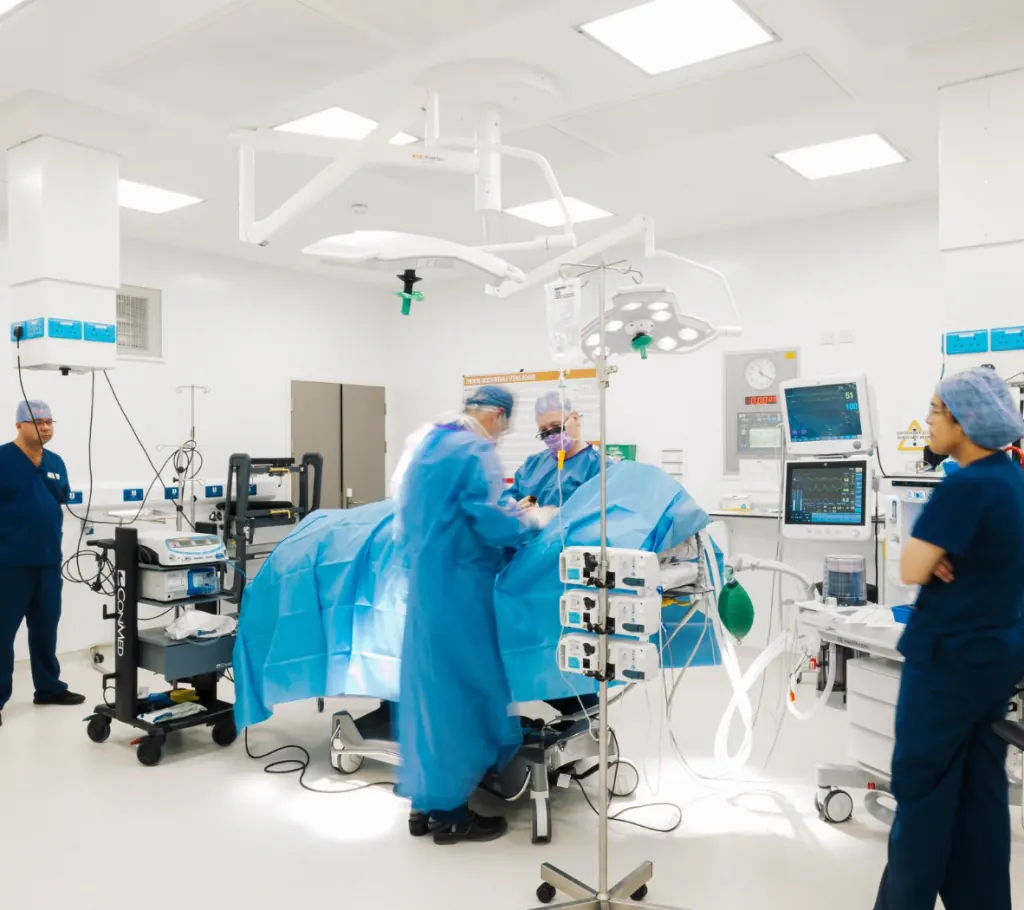
Same-day BCC assessment and removal in a comfortable, single 45-minute appointment.

Advanced Surgical Techniques

Experienced plastic surgeon, dedicated to achieving safe outcomes.

Clear and Inclusive Pricing

Includes aftercare. Make an enquiry to receive a tailored treatment plan and price.

Exterior of the Skin Surgeons Edinburgh hospital building
Get in touch

Contact us today to
book your appointment.

However you would like to get in touch — phone, email, or our enquiry form — one of our team will respond within two working days.

Address
1 Waterfront Park
Edinburgh EH5 1SD
Hours
Mon–Fri · 08:00–18:00
Sat · 09:00–13:00
Reception
Step-free entry
Patient parking on site
Skin Surgeons · Edinburgh Open in Google Maps