01 What is a Lipoma? +
A lipoma is a non-cancerous growth made up of fatty tissue. These lumps are usually soft to the touch, can be moved slightly under the skin, and are generally painless. Lipomas can develop anywhere on the body, but they are most frequently found on the torso, neck, upper thighs, arms, and armpits.
02 When Should I Consider Lipoma Removal? +
While lipomas are typically harmless, removal may be advisable if they cause discomfort, grow larger, or lead to cosmetic concerns. Additionally, if there is any uncertainty about whether the growth is a lipoma or something more serious, removal and further analysis may be recommended.
03 What Lipoma Removal Methods Are Available? +
We offer a range of lipoma removal techniques, including:
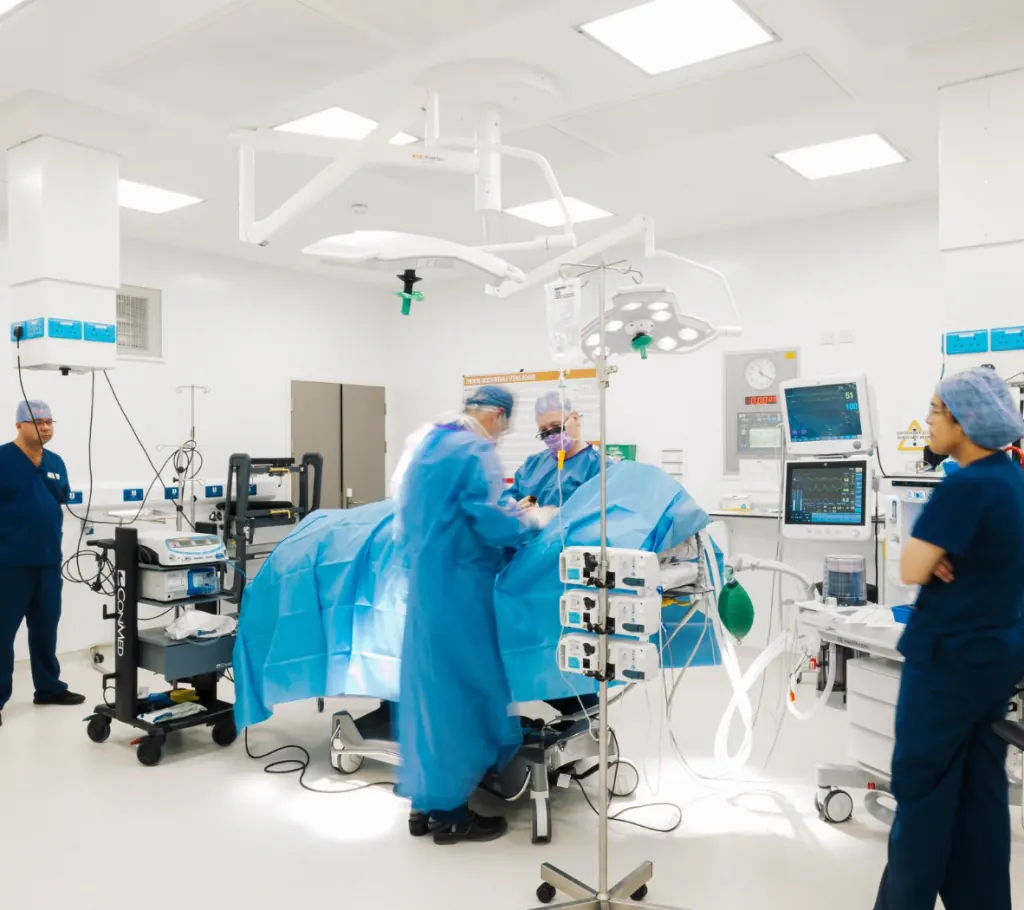
- **Surgical Excision:** This is the most common method, where the lipoma is surgically removed under local anaesthetic.
- **Liposuction:** Ideal for larger lipomas, this method uses a thin tube to suction out the fatty tissue.
04 Can Lipomas Come Back After Removal? +
The recurrence of a lipoma after removal is uncommon. Typically, when a lipoma is surgically removed, it is completely excised, which significantly lowers the chance of it coming back. However, it’s important to note that new lipomas may still develop in other areas.
05 What Should I Expect During Recovery After Lipoma Removal? +
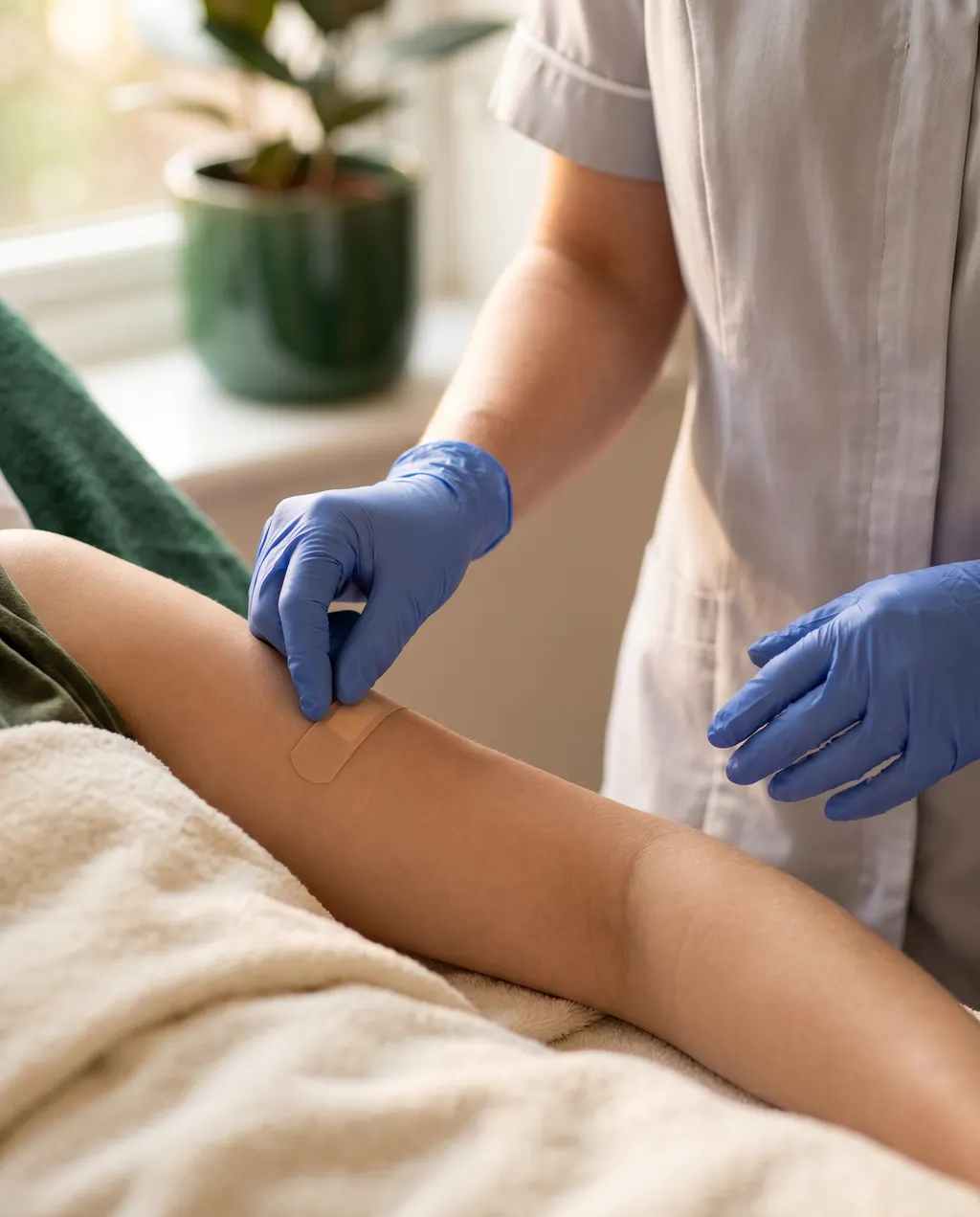
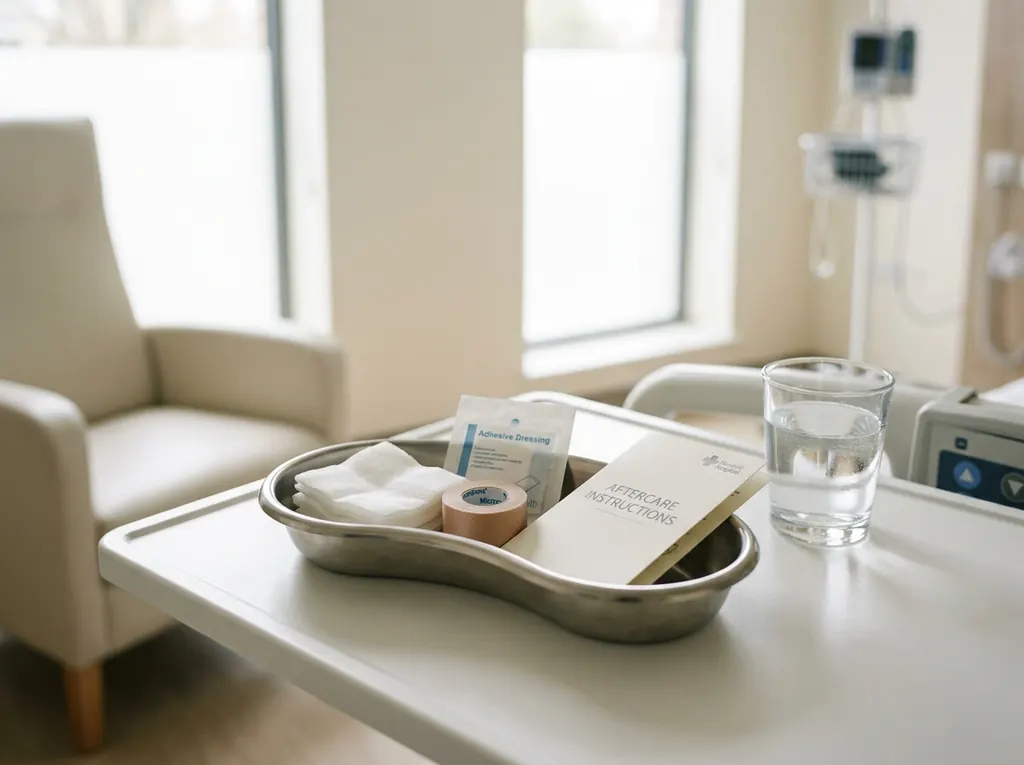
Recovery times can vary depending on the method used for removal. Surgical excision may require a few days of rest, while liposuction and minimal incision extraction might allow for a quicker recovery. We provide all patients with detailed aftercare instructions to support a smooth and speedy healing process.
06 Are There Any Risks Involved with Lipoma Removal? +
As with any surgery, there are some risks involved, although they are generally minimal. Possible risks include infection, bleeding, or scarring. We take all necessary precautions to minimise these risks and ensure a safe and successful procedure.
07 How Should I Prepare for Lipoma Removal Surgery? +
Before your surgery, you'll have a consultation to discuss the procedure, potential risks, and how to prepare. Preparation may involve guidelines on eating, drinking, and any adjustments to medications you may need to make.