Skin Surgeons Edinburgh 0131 376 2744
SKIN SURGEONS Make an Enquiry
Patient guide · Cyst removal

Cyst Guide.

Overview

Cysts are common skin growths that can appear anywhere on the body. While typically benign, cysts can become uncomfortable, unsightly, or painful, especially if they become infected or inflamed. This guide explores everything you need to know about cysts, from their causes and symptoms to the treatment options available for safe and effective removal.

Looking to book cyst removal? Visit our cyst removal service page.

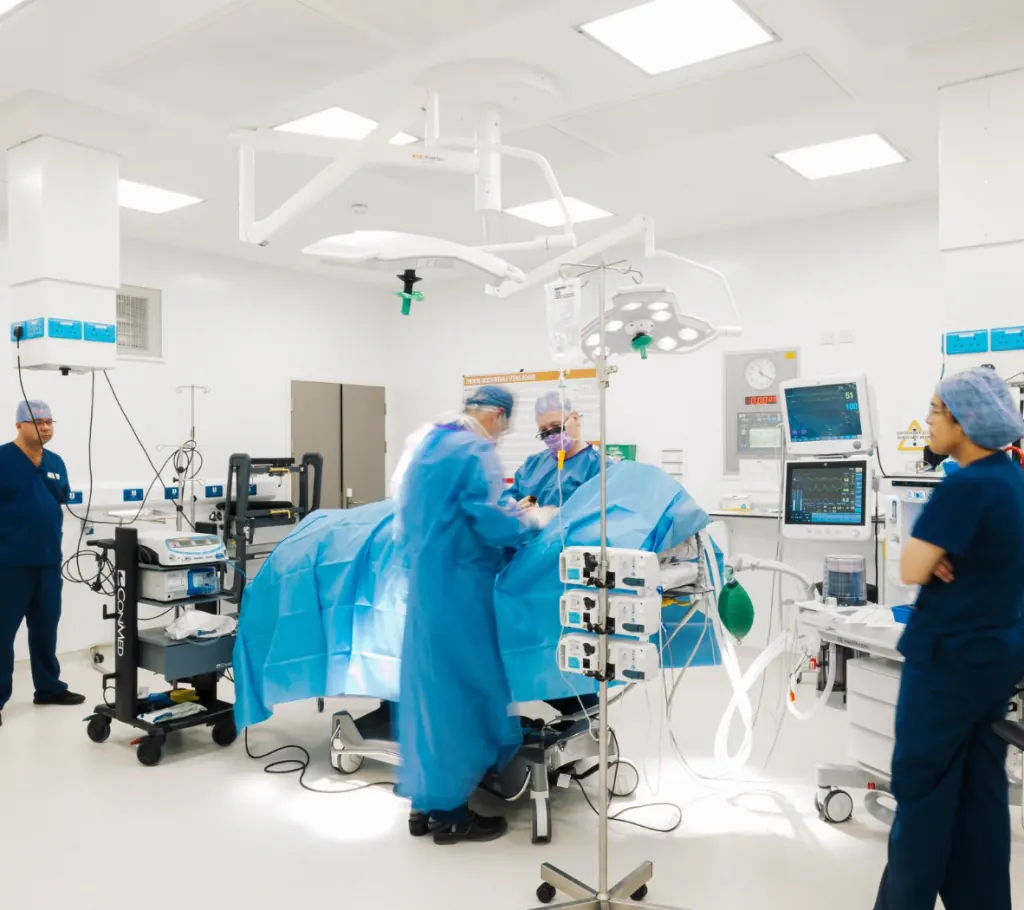
Cyst — clinical reference image.

What Are Cysts?

Cysts are sac-like pockets of tissue filled with fluid, pus, or other material. They can form under the skin or inside the body and vary in size, from small lumps to large, noticeable growths.

Key Facts About Cysts

Types of Cysts:

1. Epidermoid Cysts: Small, slow-growing cysts caused by trapped keratin under the skin.

2. Sebaceous Cysts: Cysts that form in sebaceous glands and are filled with oily material.

3. Pilar Cysts: Typically found on the scalp, these develop from hair follicle cells.

4. Ganglion Cysts: Fluid-filled cysts near joints or tendons, often on the wrist.

Common Causes:
- Blocked glands or ducts.
- Skin trauma.
- Infections or inflammatory conditions.
- Genetic predisposition.

While most cysts are benign and painless, some can grow, rupture, or become infected, requiring medical attention.

Read more on Cysts by the NHS

Signs a Cyst May Need Medical Attention

While many cysts are harmless, you should seek professional advice if:
- The cyst becomes painful or tender.
- It shows signs of infection, such as redness, swelling, or pus.
- The cyst grows rapidly or changes in appearance.
- It interferes with daily activities or causes discomfort.

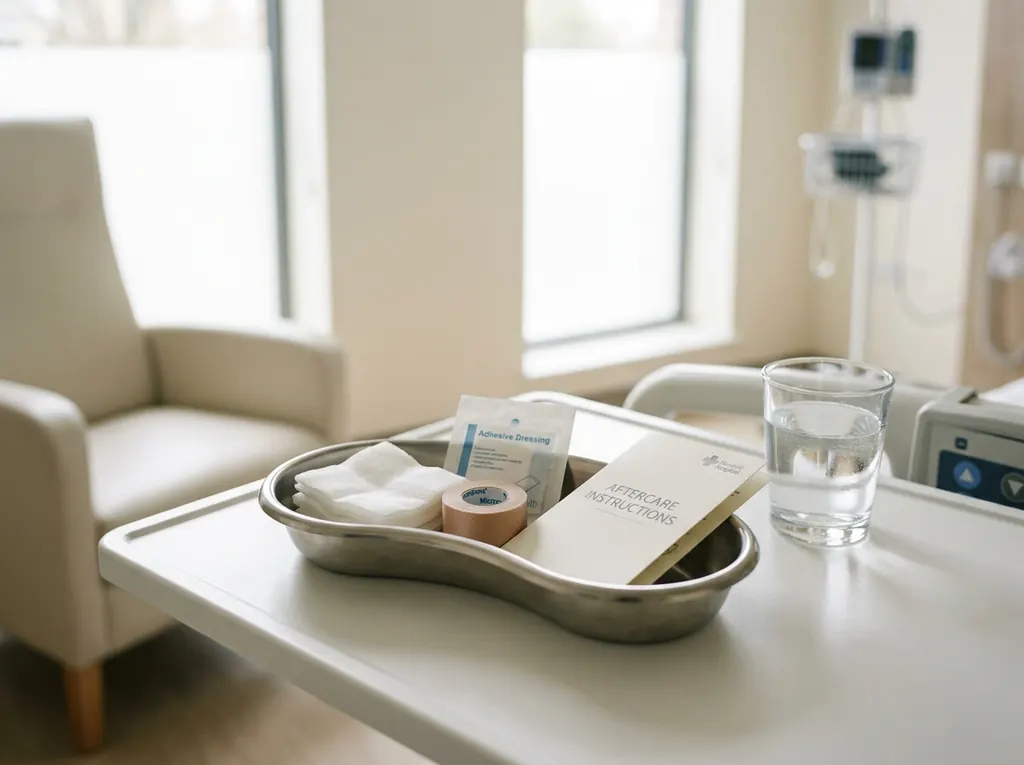
Cyst — clinical reference image.

Why Remove Cysts?

There are several reasons why cyst removal may be necessary:
- Pain or Discomfort: Cysts that press on tissues or nerves can cause significant discomfort.
- Infection: Infected cysts may become red, swollen, and filled with pus, requiring drainage or removal.
- Cosmetic Concerns: Many people choose to remove visible cysts on the face, neck, or other prominent areas.
- Prevention of Complications: Large or recurring cysts are more likely to rupture, leading to scarring and infection.

What to Expect During Cyst Removal

Most cyst removal procedures are straightforward and performed under local anesthesia. Here’s what to expect:

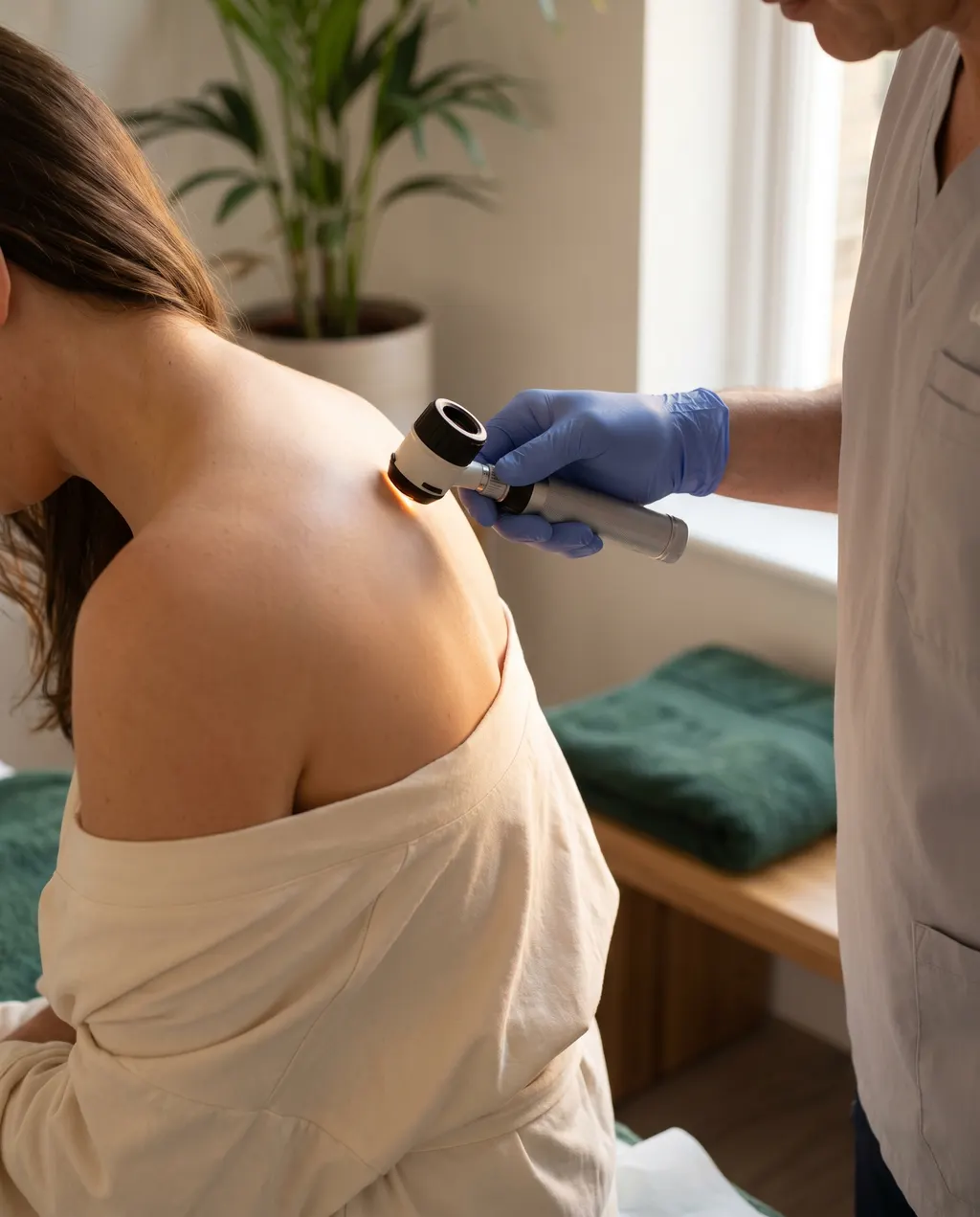
1. Assessment: Your specialist will examine the cyst to determine the best removal method.

2. Anesthetic: The area around the cyst is numbed to ensure a painless experience.

3. Procedure: Depending on the method, the cyst may be drained, excised, or treated with antibiotics.

4. Closure: For surgical excision, stitches may be used to close the incision.

5. Dressings: The area is dressed to protect it from infection.

The procedure typically takes 30–60 minutes, depending on the size and complexity of the cyst.

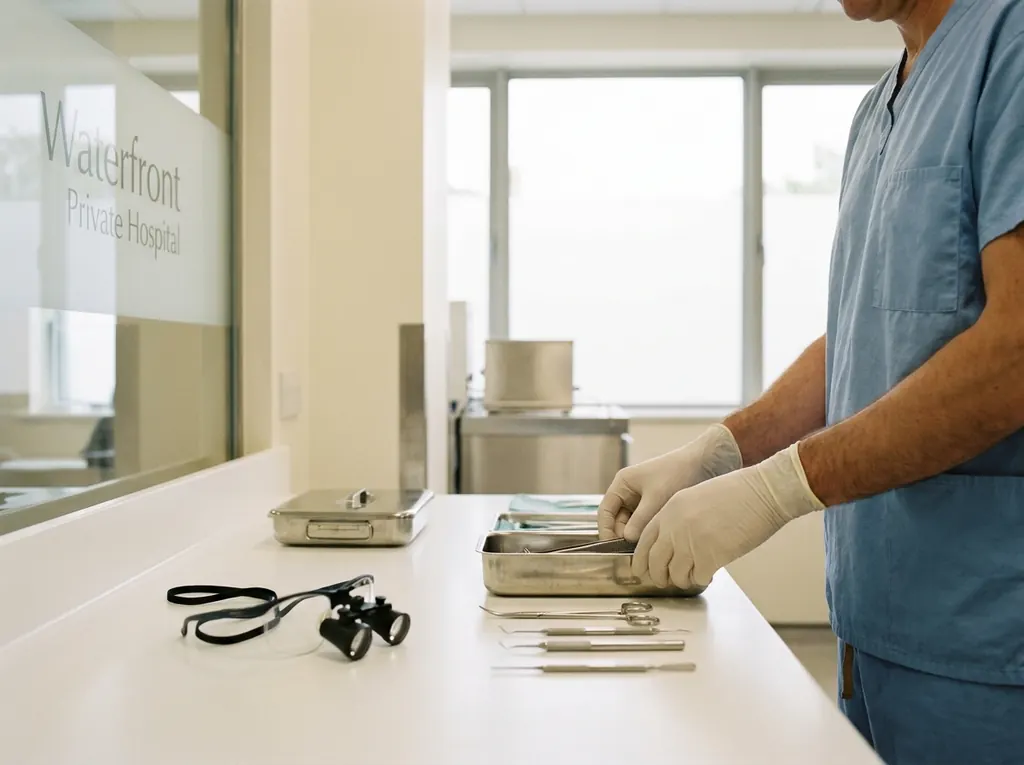
Cyst — clinical reference image.

Aftercare Tips for Cyst Removal

Proper aftercare ensures faster healing and minimizes the risk of complications:
- Keep the Area Clean: Wash gently with soap and water to prevent infection once your dressings are removed.
- Follow Specialist Instructions: Apply prescribed ointments or change dressings as directed.
- Avoid Strenuous Activities: Reduce activities that could stress the treated area.
- Monitor for Signs of Infection: Contact your specialist if you notice redness, swelling, or pus.

Read more on our What To Expect page.

Does Cyst Removal Require Pathology Testing?

In some cases, the removed cyst may be sent for pathology testing to confirm its benign nature.
- When It’s Needed: If the cyst has unusual features, changes in appearance, or there’s concern about underlying conditions.
- Why It’s Important: Pathology testing ensures the cyst is non-cancerous, providing peace of mind and guiding further treatment if needed.

Cyst — clinical reference image.

How Much Does Cyst Removal Cost?

The cost of cyst removal varies depending on the method and complexity of the procedure.
- Prices Start From: £695.
- Consultation Fee: £125.

This fee includes a detailed consultation, the removal procedure, and aftercare.

Where Can I Have My Cyst Removed?

Consultations and procedures take place at the Waterfront Private Hospital in Edinburgh, a state-of-the-art facility designed to provide the highest level of care. With a relaxing atmosphere, easy parking, and a discreet environment, we ensure optimal comfort and privacy for our patients.

We offer expert care to patients across Scotland, including:
- Edinburgh
- Glasgow
- Fife
- Dundee & Perth
- Scottish Borders
- Stirling & Falkirk

Cyst — clinical reference image.
Treatment options

Types of Cyst Treatment Options

Observation

Benefits. Non-invasive and avoids unnecessary procedures.

Ideal for. Benign cysts with no signs of infection or rapid growth.

Incision and Drainage

Benefits. Quick, minimally invasive, and effective for symptomatic relief.

Ideal for. Infected or inflamed cysts requiring immediate relief.

Surgical Excision

Benefits. Permanent removal with a low chance of recurrence.

Ideal for. Large, persistent cysts or those at risk of infection.

Antibiotics

Benefits. Helps control infection and reduce symptoms.

Ideal for. Cysts with redness, swelling, or signs of infection.

When to Consult a Specialist

You should seek medical advice if:
- The cyst is painful or tender.
- The cyst becomes red, swollen, or warm to the touch.
- The cyst changes in size or appearance.
- The cyst interferes with daily activities.
- The cyst ruptures.
- You are unsure about the nature of the cyst.

Why Choose a Plastic Surgeon for Cyst Removal?

Plastic surgeons are uniquely equipped to ensure the best cosmetic outcome. With their advanced training in skin surgery and aesthetics, they can minimize scarring and deliver a more natural-looking result.

Frequently asked

Frequently Asked Questions : Cyst Removal

Q&A

01 What is a cyst?

A cyst is a closed, sac-like structure that can develop anywhere in the body. It’s typically filled with fluid, pus, or other material and can form due to blockages, infections, or other causes.

02 How much is cyst removal?

This depends on the size of the cyst and how many you have. Prices begin at £595 for cysts under 2cm with each additional cyst removed costing from £200.

03 What causes cysts?

Cysts often form when a gland becomes blocked or due to trauma, infection, or underlying conditions. Epidermal and sebaceous cysts are common types caused by the accumulation of keratin or sebum under the skin.

04 What is a sebaceous cyst?

A sebaceous cyst is a slow-growing, non-cancerous lump under the skin, usually filled with oily material. They typically occur on the face, neck, or torso.

05 How are sebaceous cysts treated?

Treatment options for cysts include observation, incision and drainage, surgical excision, and antibiotics for infected cysts. The choice depends on the size, symptoms, and patient preference. Excision is the most effective option to completely remove the cyst sac and prevent recurrence.

06 Should I pop a cyst?

No, it is not recommended to pop a cyst as it can lead to infection, scarring, or incomplete removal. Always seek professional medical advice for safe and effective treatment.

07 How can I remove a cyst at home?

While small cysts may sometimes resolve with warm compresses, medical removal is recommended to avoid infection and ensure complete extraction.

08 What does a cyst look like?

A cyst typically appears as a round or oval lump under the skin. It may be firm or soft to the touch and can vary in size. Some cysts have a visible opening or pore.

09 Are certain people more prone to forming cysts?

People with a history of acne, skin trauma, or a genetic predisposition are more likely to develop sebaceous cysts.

10 Can diet or lifestyle influence cyst formation?

While there’s no strong evidence linking diet or lifestyle directly to cyst formation, maintaining overall skin health with a balanced diet and good hygiene may be beneficial.

11 What should I do if a cyst becomes infected?

If a cyst becomes red, swollen, painful, or starts draining, it could be infected. Seek medical attention promptly in such cases.

12 Can hormonal changes affect cysts?

Hormonal changes, such as those during puberty, pregnancy, or menopause, can impact sebaceous gland activity and may influence cyst formation.

13 How can I prevent cysts?

While you can’t completely prevent sebaceous cysts, good hygiene, avoiding skin trauma, and managing underlying conditions like acne may help reduce the risk.

14 Can cysts be cancerous?

Most cysts are benign and harmless, but in rare cases, a cyst may be associated with malignancy. A specialist can assess and confirm its nature through examination or biopsy if necessary.

15 How do I get rid of a cyst?

Cysts can be removed through surgical excision or drained for temporary relief. Surgical removal is the most effective method to prevent recurrence.

16 Do cysts go away on their own?

Some cysts may shrink or resolve on their own over time, but others persist and require medical treatment, especially if they become painful or infected.

17 How long do cysts last?

Cysts can remain for months or years without treatment. Their duration depends on the type, location, and whether they become inflamed or infected.

18 What creates a cyst?

Cysts form when glands or ducts become blocked or due to infections, trauma, or an accumulation of keratin. Hormonal factors and genetics can also play a role in their development.

19 What are the risks of leaving a cyst untreated?

While most cysts are harmless, untreated cysts can grow larger, become infected, or cause discomfort. In rare cases, complications like rupture or abscess formation can occur.

Why us

Highlights

Quick Access to Expert Care

Consultations at the Waterfront Private Hospital with no long waits.

Single-Visit Mole Removal

Same-day mole assessment and removal in a comfortable, single 45-minute appointment.

Cosmetic Surgical Techniques

Experienced plastic surgeon, dedicated to achieving excellent cosmetic outcomes.

Clear and Inclusive Pricing

Includes aftercare. Make an enquiry to receive a tailored treatment plan and price.

Exterior of the Skin Surgeons Edinburgh hospital building
Get in touch

Contact us today to
book your appointment.

However you would like to get in touch — phone, email, or our enquiry form — one of our team will respond within two working days.

Address
1 Waterfront Park
Edinburgh EH5 1SD
Hours
Mon–Fri · 08:00–18:00
Sat · 09:00–13:00
Reception
Step-free entry
Patient parking on site
Skin Surgeons · Edinburgh Open in Google Maps